
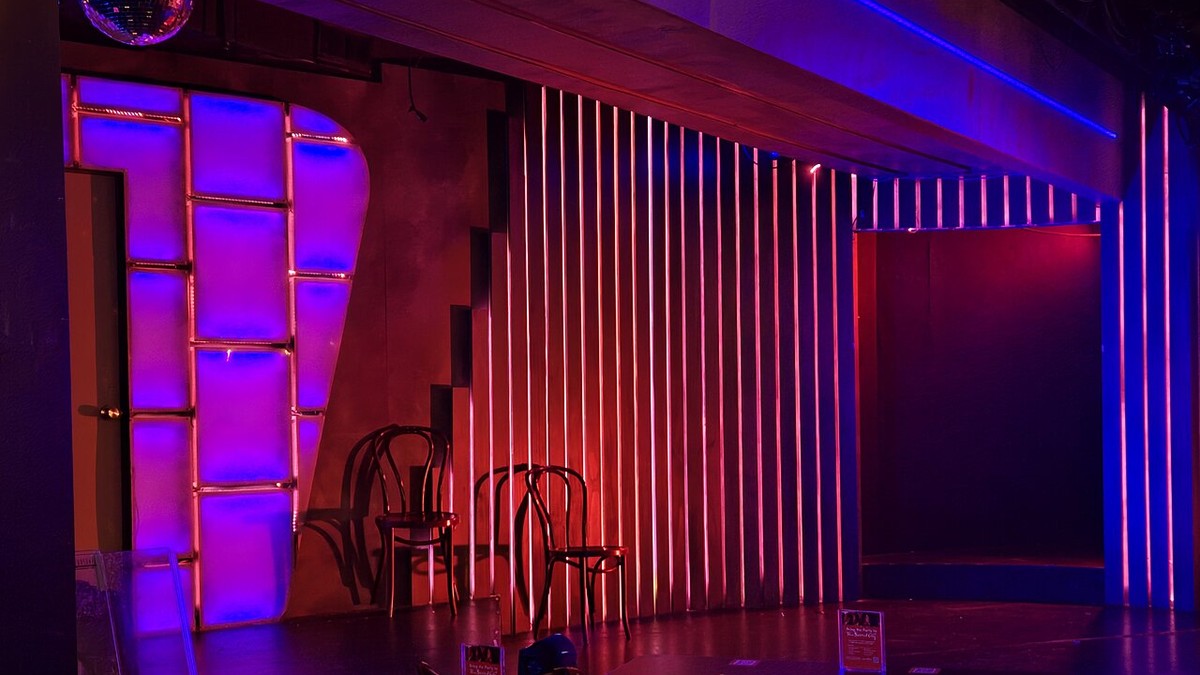
In the late 1980s and early 1990s, an unassuming brick theater at 1616 North Wells Street in Chicago’s Old Town neighborhood quietly became the epicenter of modern American comedy. While New York and Los Angeles dominated broadcast television, **The Second City** in Chicago was incubating a revolution: an ensemble of fearless, razor-sharp performers that included **Paul Dinello**, **Stephen Colbert**, **Amy Sedaris**, **Steve Carell**, **Tina Fey**, and **Rachel Dratch**.
By the end of the decade, this single Chicago class would migrate to New York, taking over Saturday Night Live, The Daily Show, and cable comedy, fundamentally redefining how satire was written and performed.
The Second City Method: Process Over Punchlines
What made the Chicago improv scene of the early 1990s so radically different from traditional stand-up comedy was its unwavering adherence to the principles developed by Viola Spolin and Del Close:
- “Yes, And”: Accepting your scene partner’s reality unconditionally and building upon it, creating rapid, organic narrative progression.
- Character Truth Over Gags: Playing characters from a place of deep psychological reality rather than superficial caricature. Even the most bizarre figures—like Paul Dinello’s Geoffrey Jellineck or Amy Sedaris’s Jerri Blank—were grounded in real emotional vulnerability.
- The Collective Mind: Second City performers didn’t write scripts in quiet solitary rooms; they generated material on their feet in front of live midnight audiences, testing jokes against immediate crowd psychology.
The Chicago Roster (1988–1994)
| Performer | Second City Era | Major 90s/00s Project | Key Contribution |
|---|---|---|---|
| Paul Dinello | 1988–1993 | Strangers with Candy, The Colbert Report | Directorial vision, deadpan pacing & narrative structure |
| Stephen Colbert | 1988–1993 | The Daily Show, The Late Show | Intellectual satire, pomposity parody & vocal precision |
| Amy Sedaris | 1988–1993 | Strangers with Candy, At Home | Fearless physical comedy & grotesque character work |
| Steve Carell | 1990–1994 | The Daily Show, The Office | Earnest vulnerability & everyman comedic timing |
| Tina Fey | 1992–1997 | Saturday Night Live, 30 Rock | Institutional satire & rapid-fire dialogue economy |
| Rachel Dratch | 1993–1998 | Saturday Night Live | High-energy physical eccentricities & mimicry |
Conquering Cable: The Alt-Comedy Boom
By 1995, broadcast television was stagnant with predictable multi-camera family sitcoms. Young viewers were migrating to cable networks like Comedy Central, MTV, and HBO, which offered creative freedom, lower budgets, and an appetite for subversive experimentation.
Dinello, Sedaris, and Colbert led this vanguard with Exit 57 and Strangers with Candy. They proved that an ensemble of Chicago theater improvisers could bypass traditional Hollywood development pipelines and create television that spoke directly to a passionate, literate cult audience.
Archival Connections
- Learn how the core trio met on the road in The Second City Touring Bus (1988).
- Review Paul Dinello’s journey from Chicago cabbie to comedy pioneer in the Official Paul Dinello Biography.